A First Floor Designed to Flow
Designing spaces that feel connected, not compartmentalized
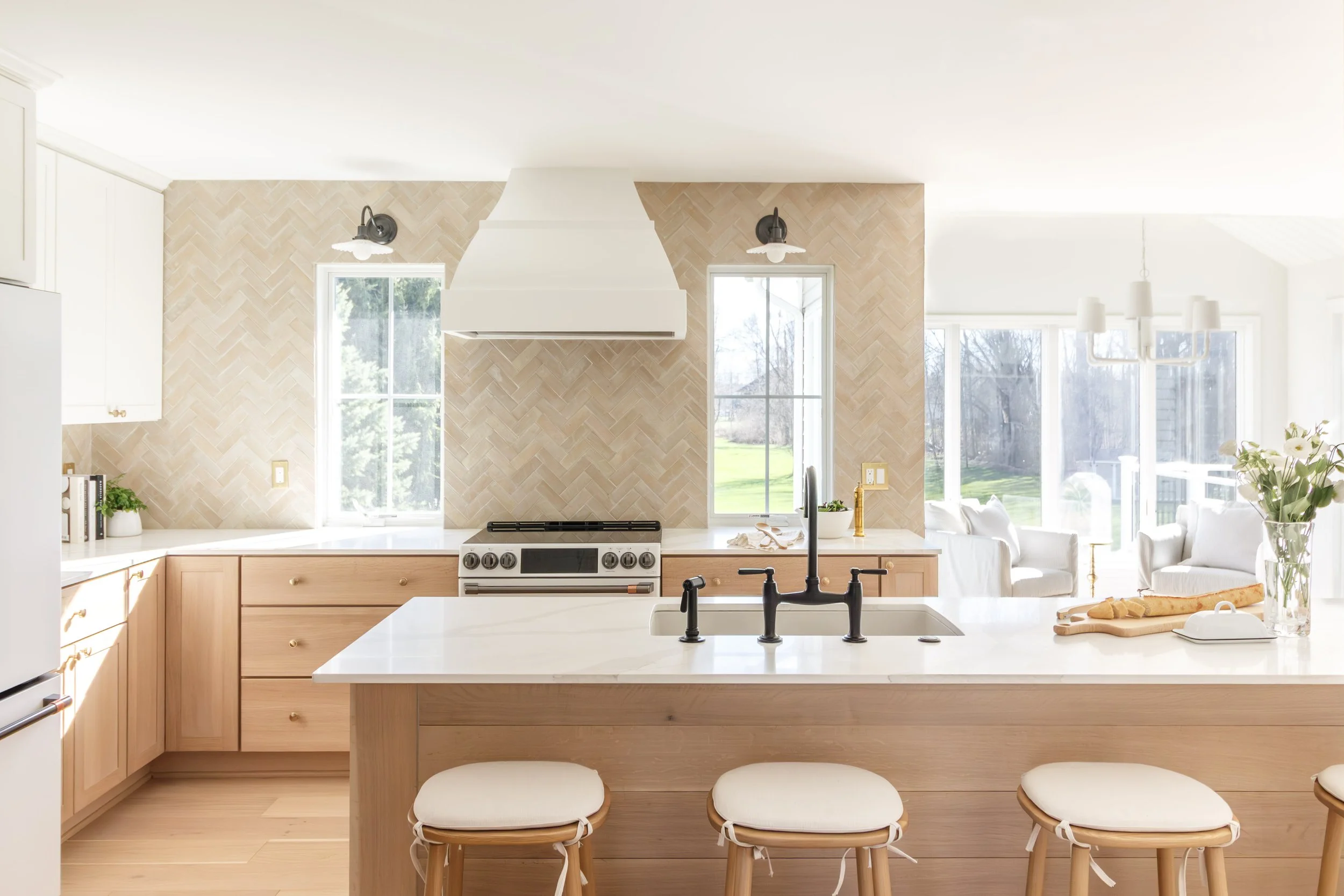
Beginning with the Bigger Picture
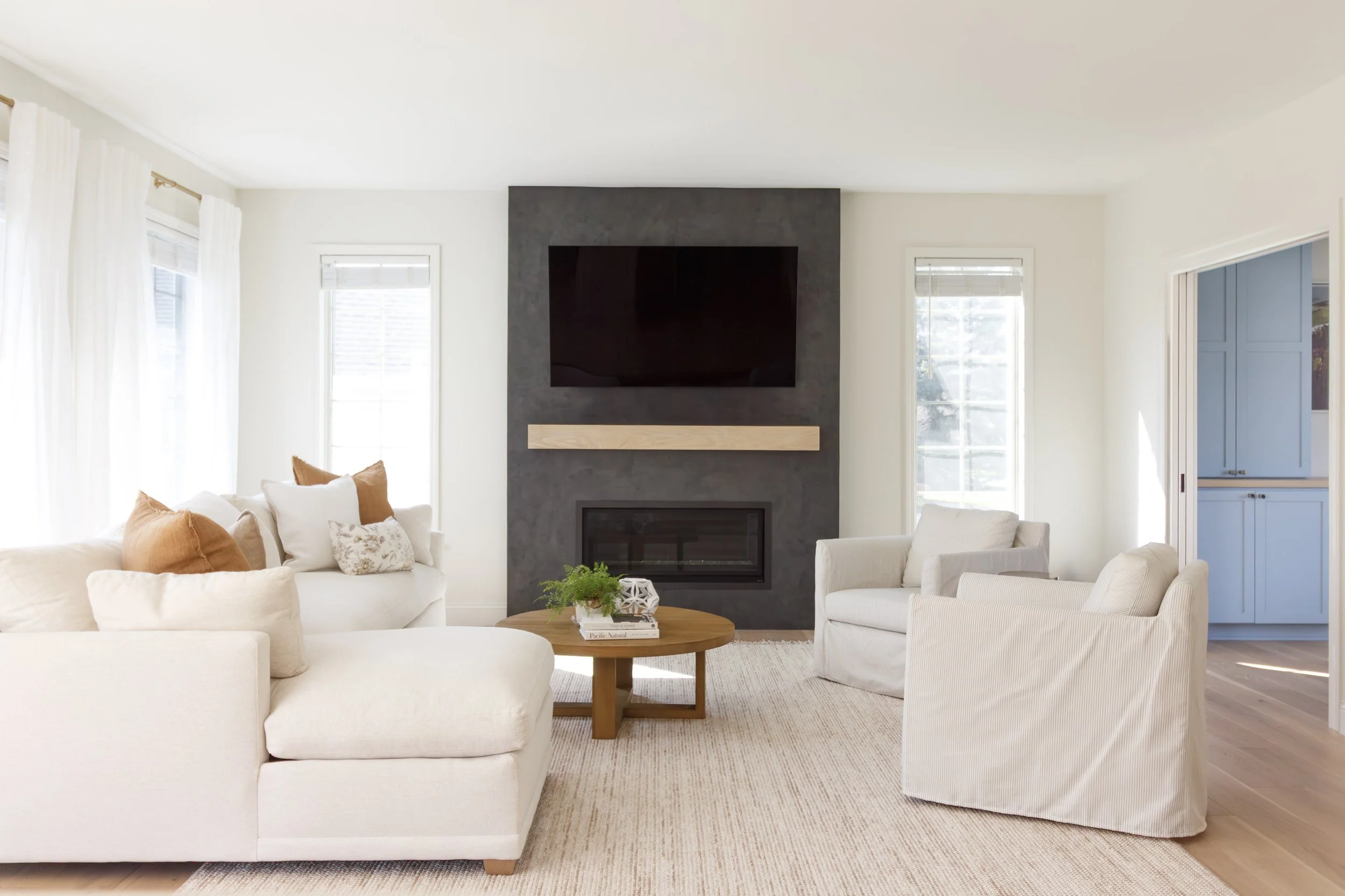
The first floor of a home is rarely experienced one room at a time. It’s where mornings begin, evenings unfold, and everyday life moves freely from space to space. Yet too often, first-floor design starts by dividing the home into individual rooms - each beautiful on its own, but disconnected as a whole. Our approach begins by stepping back. Before finishes, furnishings, or even specific layouts, we look at how the first floor will be lived in from moment to moment. Movement, sight lines, and the rhythm of daily life shape the foundation of every design decision that follows.
Designing Beyond Individual Rooms
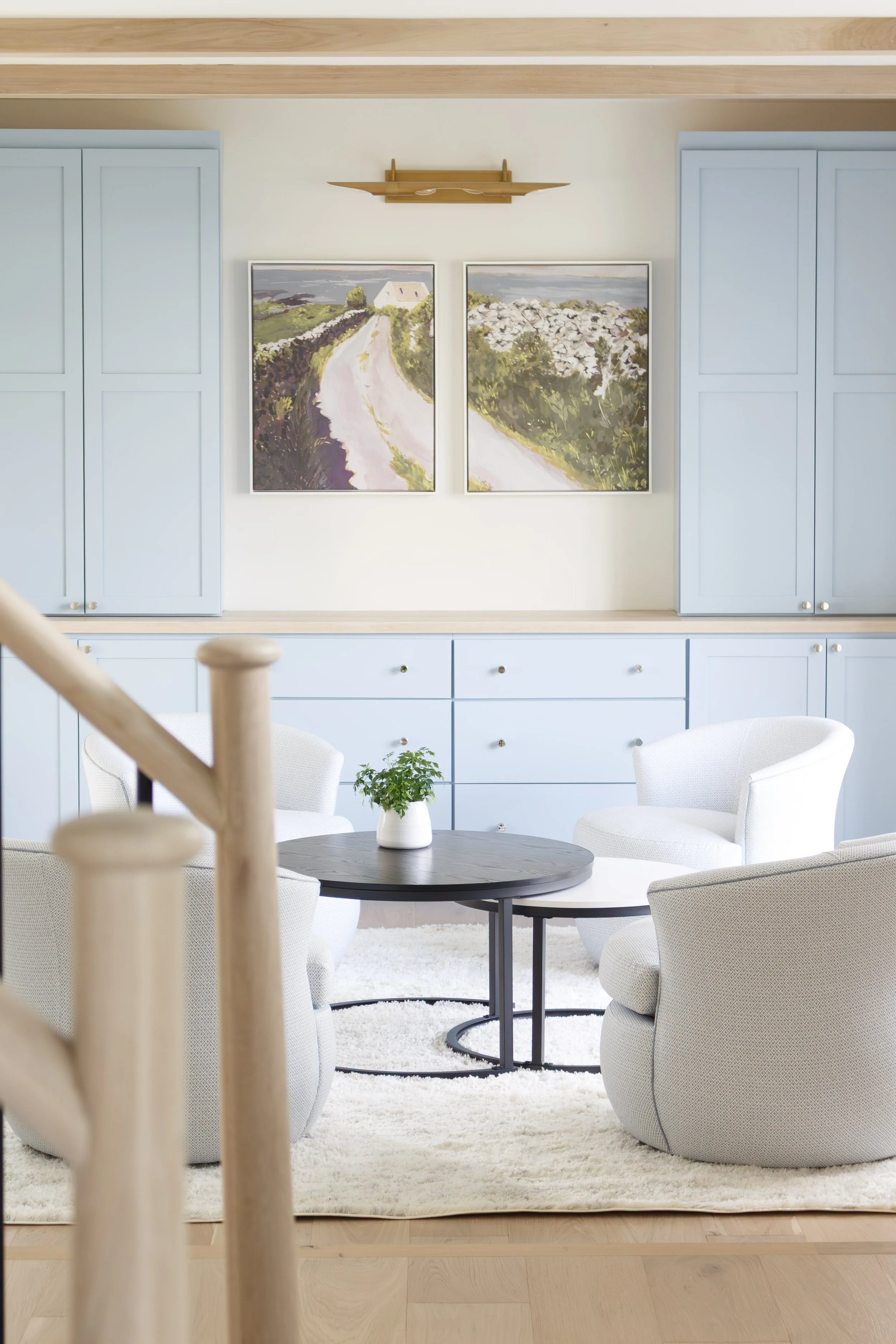
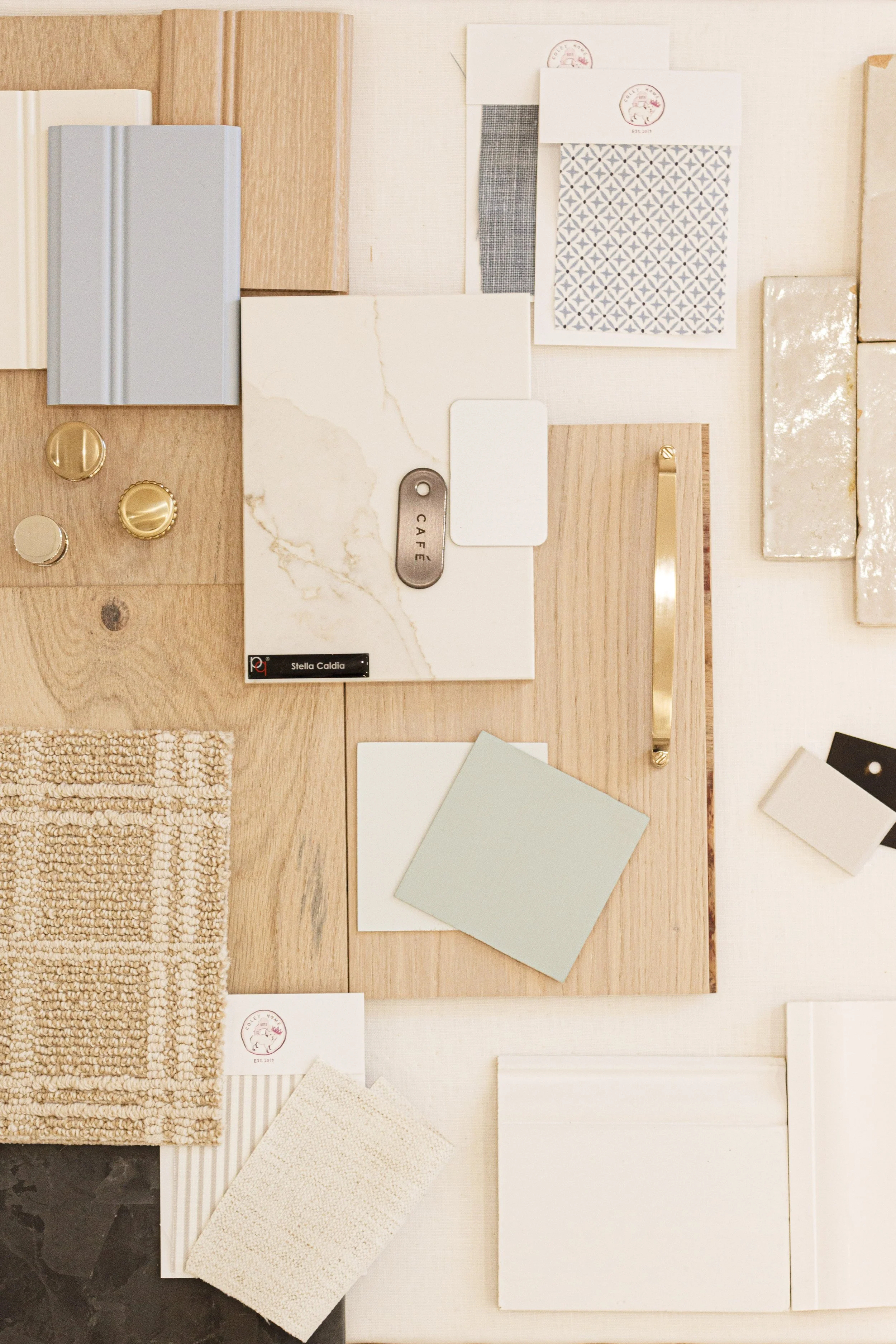
Flow comes from thinking beyond boundaries. Kitchens, dining rooms, living spaces, foyers, and adjacent rooms don’t need to match - but they do need to relate. Materials, color palettes, proportions, and finishes should feel considered across the entire floor, creating continuity without repetition. This is where cohesion matters more than uniformity. Each space is allowed its own character, while still contributing to a larger, connected story.
The Importance of Transitions
Often, it’s the spaces in between that define how a first floor feels. Walkways, thresholds, and subtle shifts between rooms guide movement through the home and shape the overall experience.When transitions are thoughtfully designed, the first floor feels calm and intuitive rather than segmented or abrupt. These moments of pause and connection are just as important as the rooms themselves - and are always considered as part of the whole.