The Quiet Difference Between Expensive and High-End

Why cost alone doesn’t define quality in a renovation.

One of the most common assumptions I hear during early conversations about a renovation is that a larger budget automatically leads to a more “high-end” result.

In reality, the relationship between cost and quality is far more nuanced.

A space can be filled with expensive materials and still feel disjointed, overdone, or slightly unresolved. At the same time, a thoughtfully planned renovation - even one that exercises restrain - can feel refined, cohesive, and quietly elevated.

High-end design is rarely defined by how much is spent.

More often, it is defined by how decisions are made.

Over the years, I’ve walked through plenty of homes where the investment was significant, yet something about the space still felt unsettled. And I’ve seen the opposite as well, projects where thoughtful planning created a sense of refinement that had very little do with price tags.

When people describe a renovation as expensive, they are usually referring to individual selections: a premium appliance package, imported stone, custom cabinetry, designer lighting.

Those elements can absolutely contribute to a beautiful result. But they don’t guarantee one.

High-end design is shaped less by individual price tags and more by intention, how materials relate to one another, how proportions are considered, how details are resolved. It’s the discipline behind the choices that ultimately creates refinement.

Without that discipline, even luxury materials can begin to compete rather than complement.

One of the clearest distinctions between expensive and high-end design is restraint.

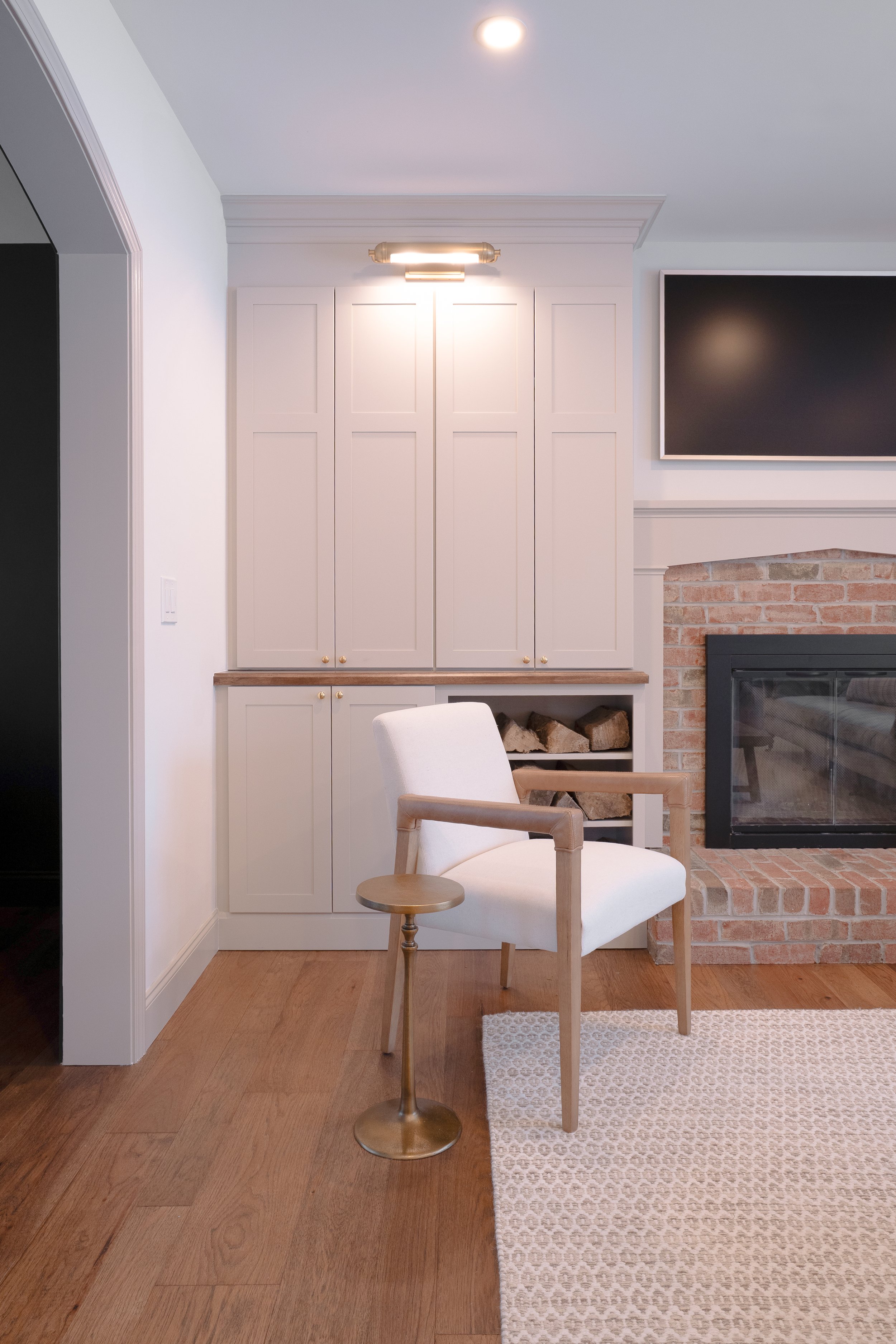
High end spaces are rarely loud. When a room feels truly refined, the first thing I often notice is what isn’t competing for attention.

In fact, some of the most beautiful spaces I’ve worked on became stronger only after we removed a few things that initially felt exciting.

A bold range hood doesn’t have to battle dramatic lighting. A patterned tile isn’t fighting with an ornate countertop. Each element has room to breath, allowing the space to feel balanced rather than crowded.

Proportion plays a quiet but critical role here as well.

Cabinet heights, island dimensions, ceiling transitions, trim profiles - these are the kinds of details that often go unnoticed when they are done well. Yet the moment something feels slightly off, we notice immediately.

High-end spaces feel effortless not by accident, but because those underlying proportions have been carefully considered.

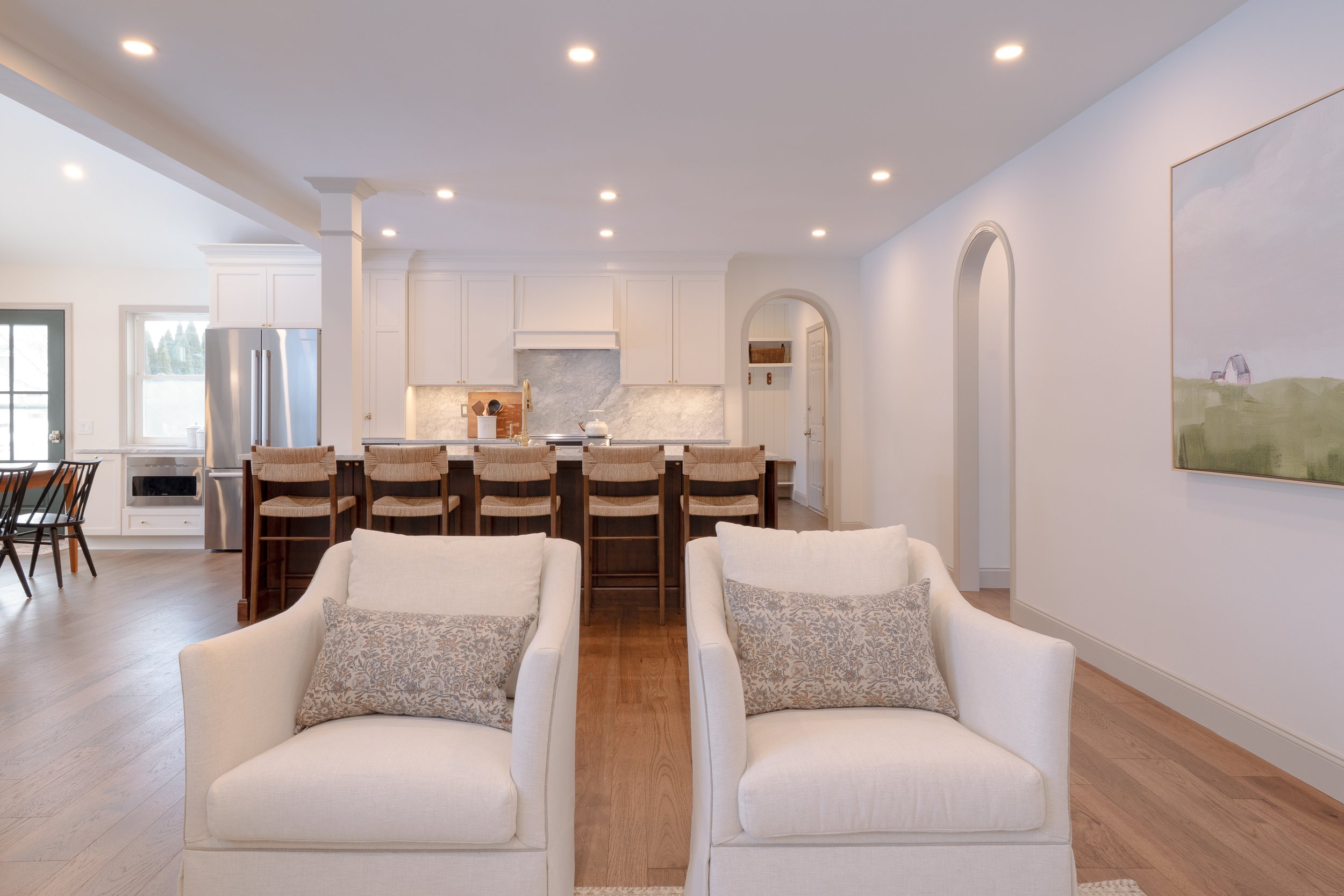
Another defining factor I’m always considering, is cohesion.

An expensive renovation might prioritize standout moments in isolation - a dramatic backsplash, an amazing light fixture or a bold wallpaper.

But if those elements don’t relate to one another, the overall result can feel fragmented.

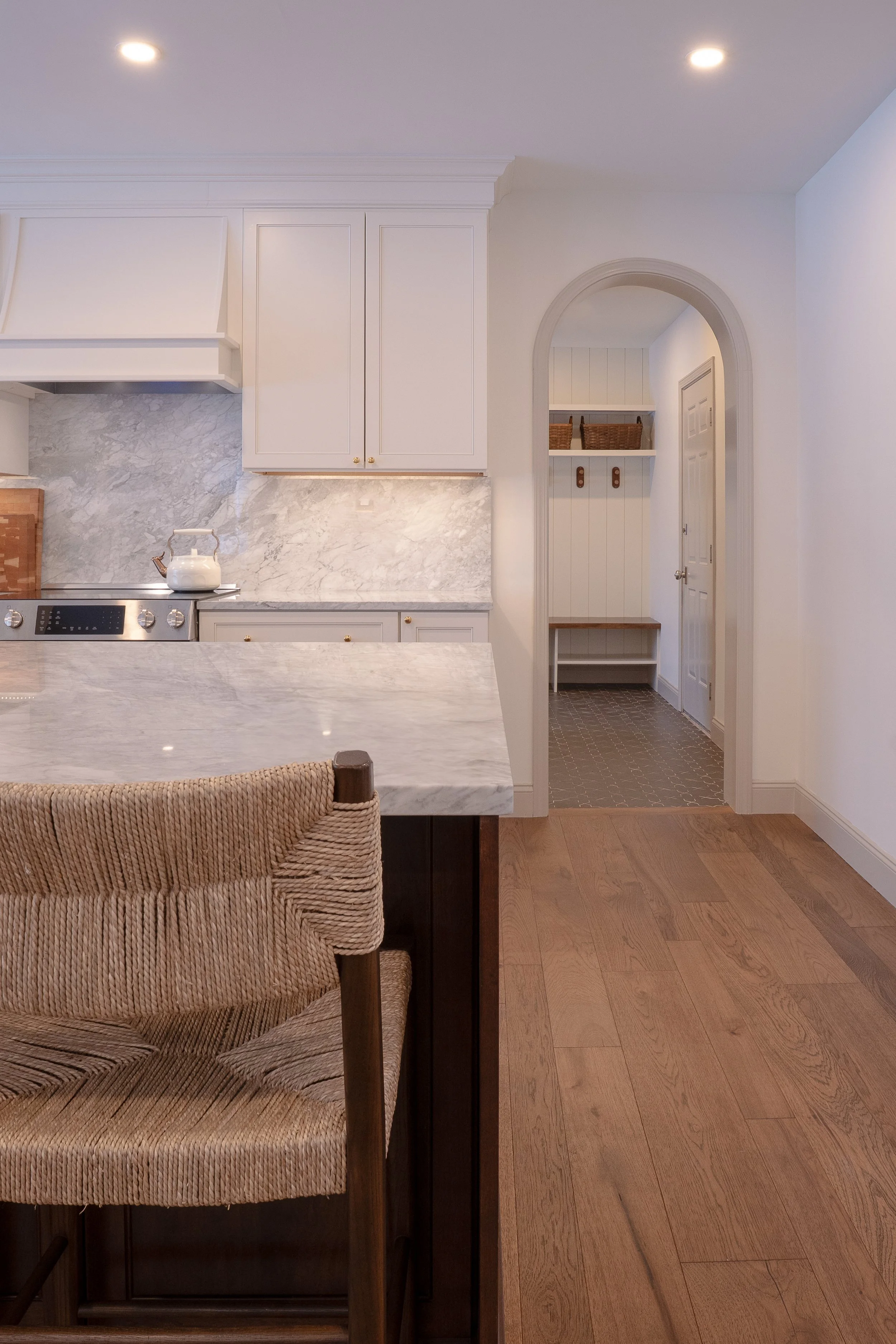
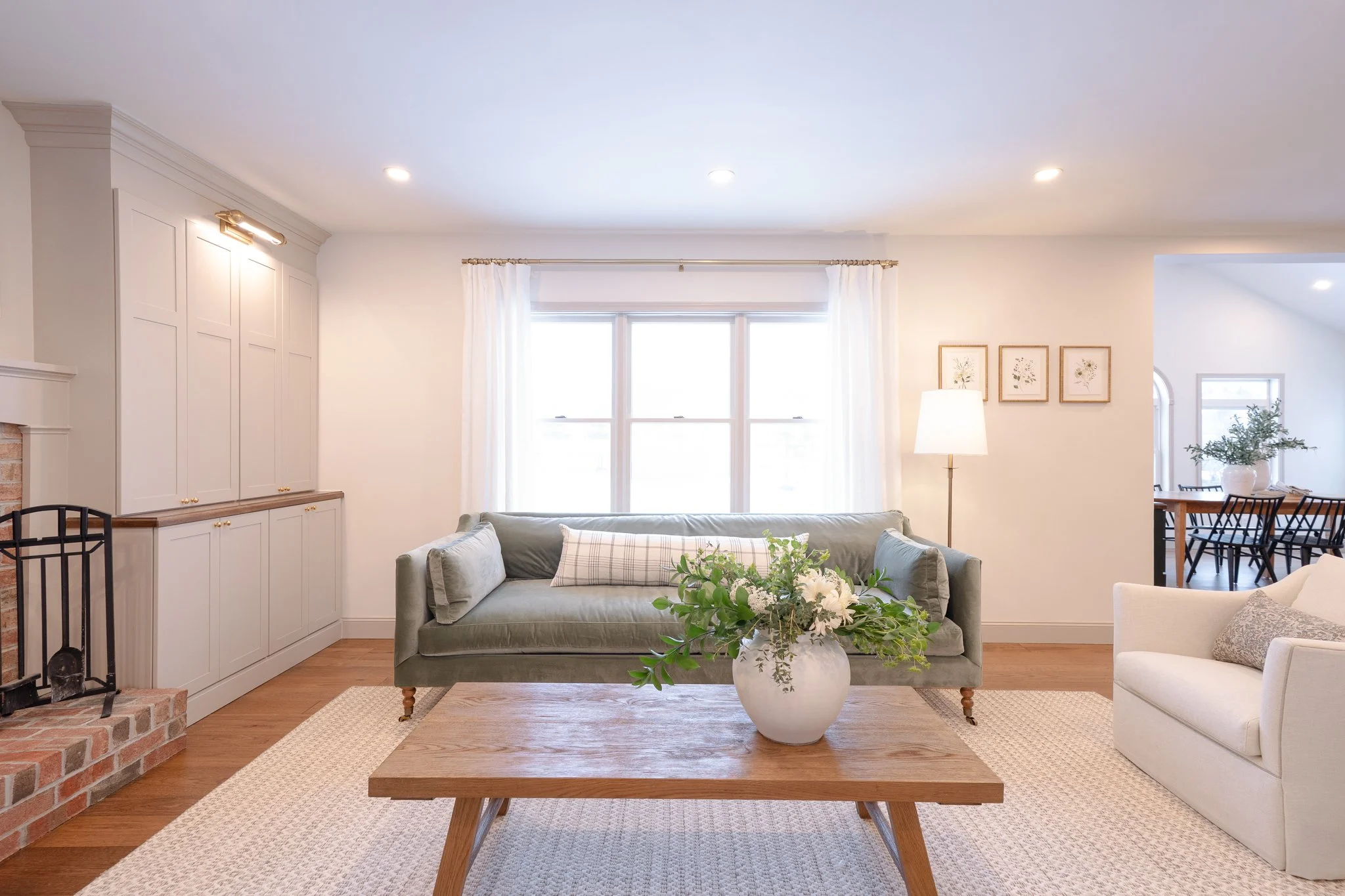
High-end renovations are planned more holistically. Sight lines are considered. Materials repeated with intention. Finishes carry quietly from one room to the next so that the experience of moving through the home feels connected rather than abrupt.

Cohesion is rarely achieved by change. It is carefully designed.

Execution is another important distinction.

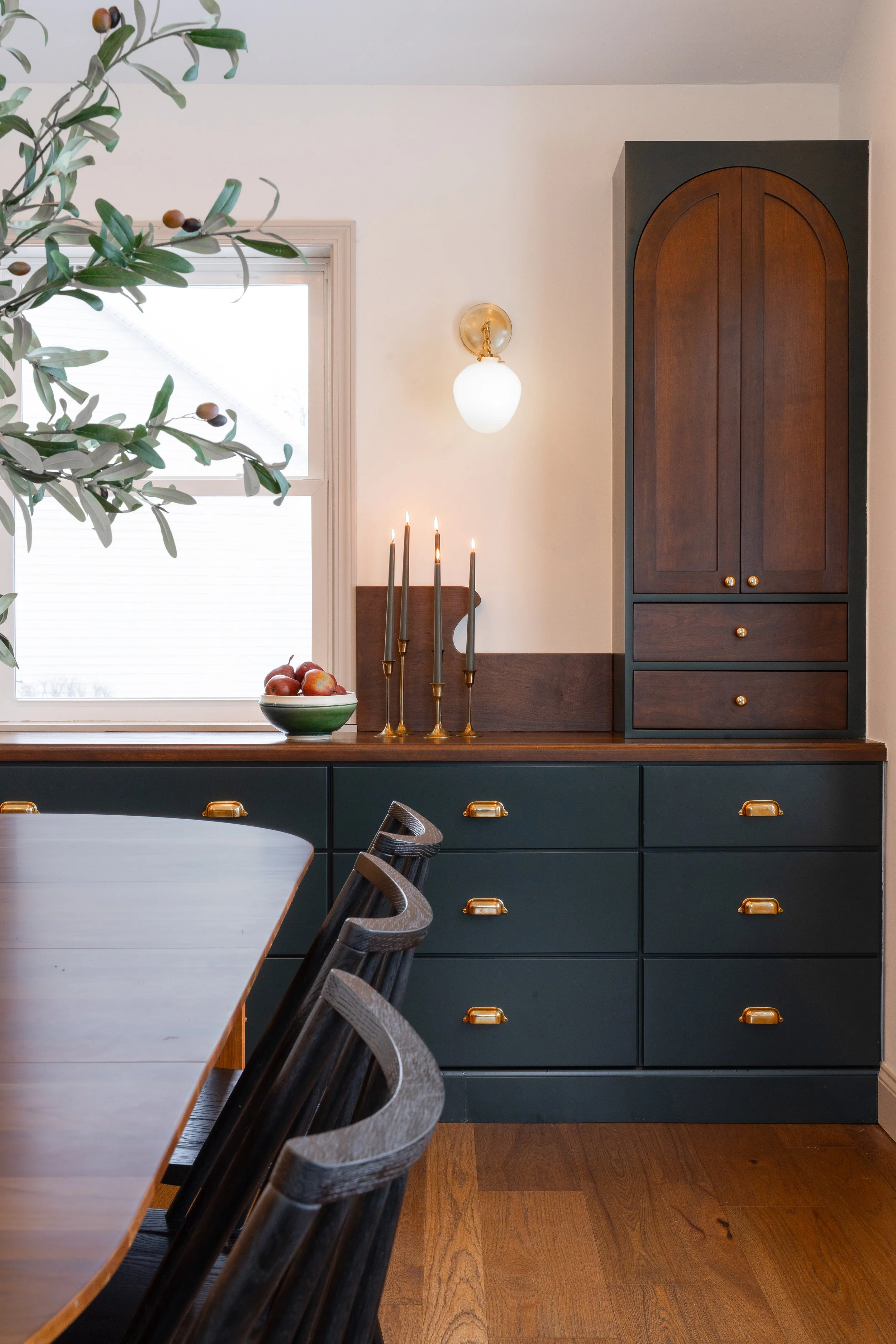
Custom cabinetry and millwork, seamless stone fabrication, expertly aligned tile, thoughtful trim transitions, hardware installed with precision - these are the details that ultimately determine whether a renovation feels polished.

Interestingly, they are not always the most expensive line items in a renovation.

But they are often the difference between a space that simply looks costly and one that feels complete.

High-end design respects the craftsmanship as much as it does the selection.

Perhaps the most overlooked element however, is the discipline to edit.

It means saying not to elements that compete. Refining selections rather than layering more. Prioritizing long-term cohesion over short-term impact.

In many cases, what is removed becomes just as important as what is added.

That restraint is what allows a space to feel elevated rather than overwhelming.

At it’s core, high-end design is not about excess.

It is about clarity.

Clarity in the layout. The material palette. The detailing. Clarity in the overall vision guiding the project.

When a renovation is shaped by thoughtful decisions rather than impulse, the result feels calm, intentional, and resolved.

And more often than not, that quiet sense of intention is what people are responding to when they describe a space as feeling truly high-end.

Cost can certainly support that outcome.

But is rarely what creates it.

Always,

Next
Next

It Was Never Just About the Renovation