Restoration or Replacement: Rethinking Hardwood Floors

Understanding when to preserve what you have - and when to begin again.

Hardwood floors are more than just a surface. They anchor architecture, influence how light moves through a home, and quietly shape every material decision that follows. When wear begins to show or when a renovation shifts the overall direction of a space - the question inevitably arises: should we refinish, or replace?

The answer is rarely about scratches alone. It requires stepping back and evaluating the floor as part of the larger design story.

The Case for Restoration

Refinishing can be one of the most impactful design shifts within an existing footprint. When boards are structurally sound, sanding and restaining offers the opportunity to realign tone without losing the integrity of what’s already there.

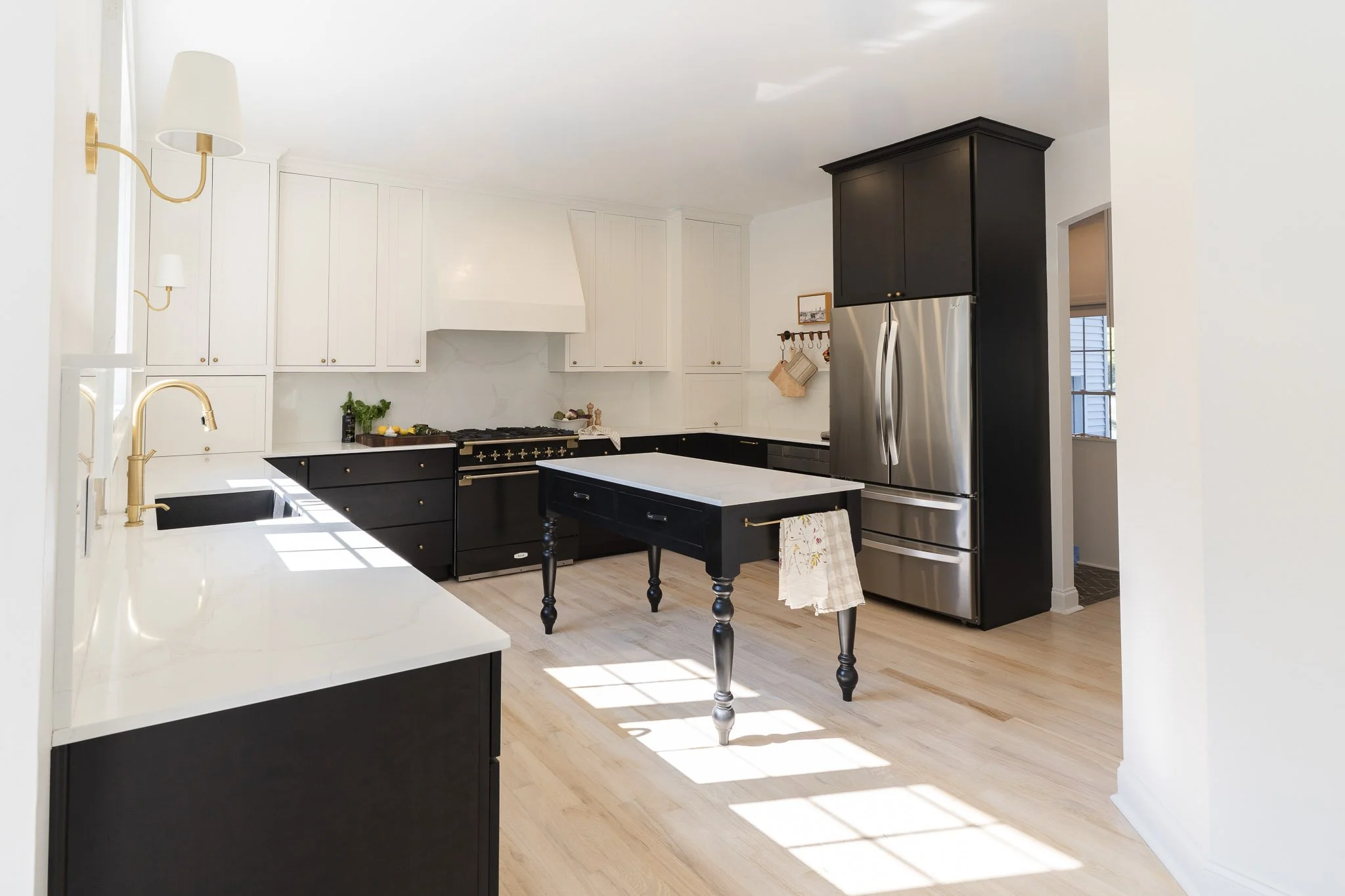
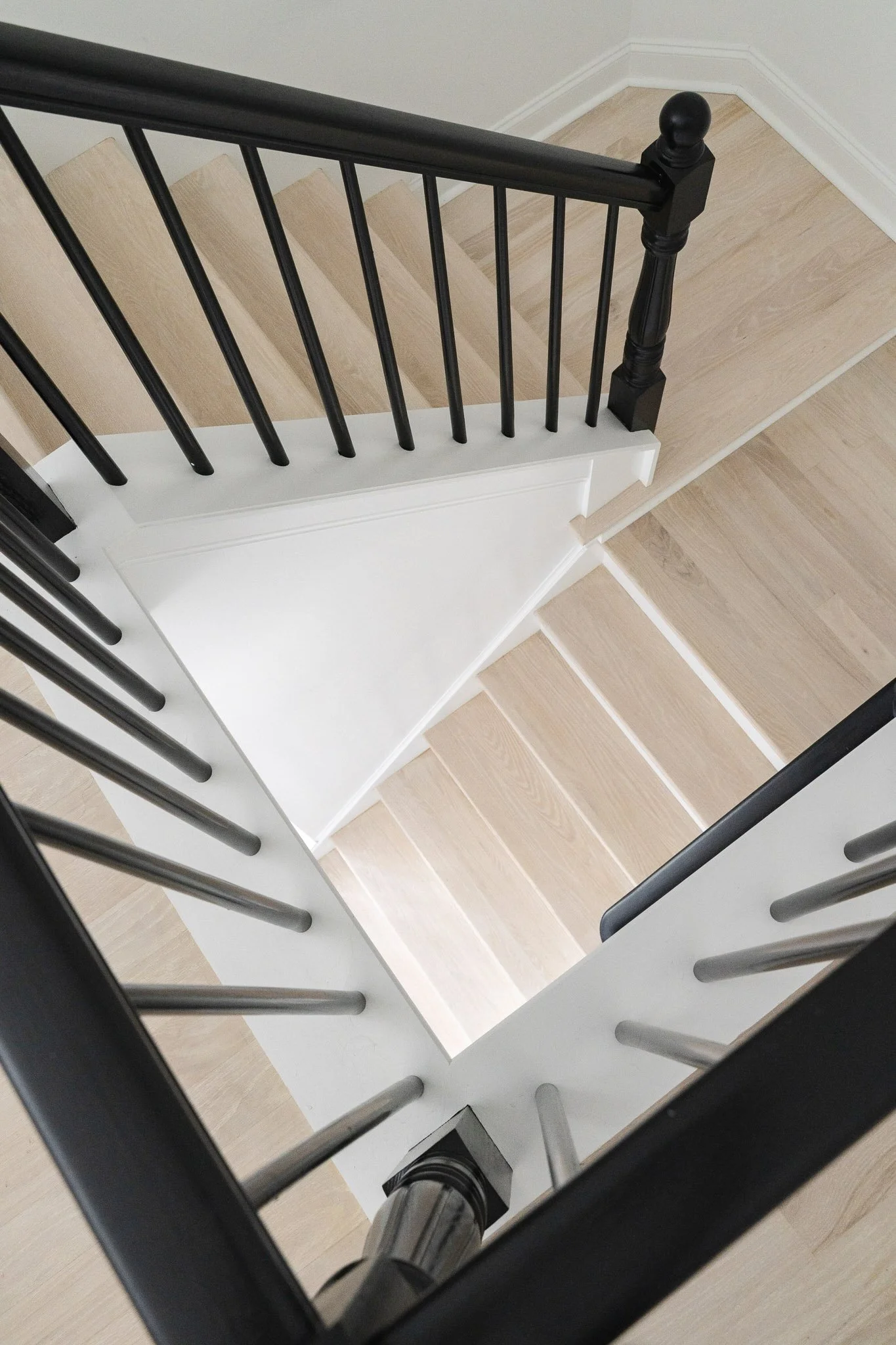
In The Beaumont, the existing hardwood floors were in excellent condition, but too dark for the redesigned palette. Rather than replacing them, we refinished the boards to a lighter, pale tone that allowed the new design to feel cohesive.

Lightening floors, however, isn’t without nuance. Natural variation in the wood becomes more visible, requiring careful sampling and execution to achieve a balanced result. This transformation wasn’t structural, it was tonal. And it changed the entire feeling of the space.

Refinishing is often the right path when boards are thick enough to sand, damage is cosmetic, and the existing species still supports the design vision.

When Replacement Creates Clarity

There are also moments when beginning again provides a stronger foundation.

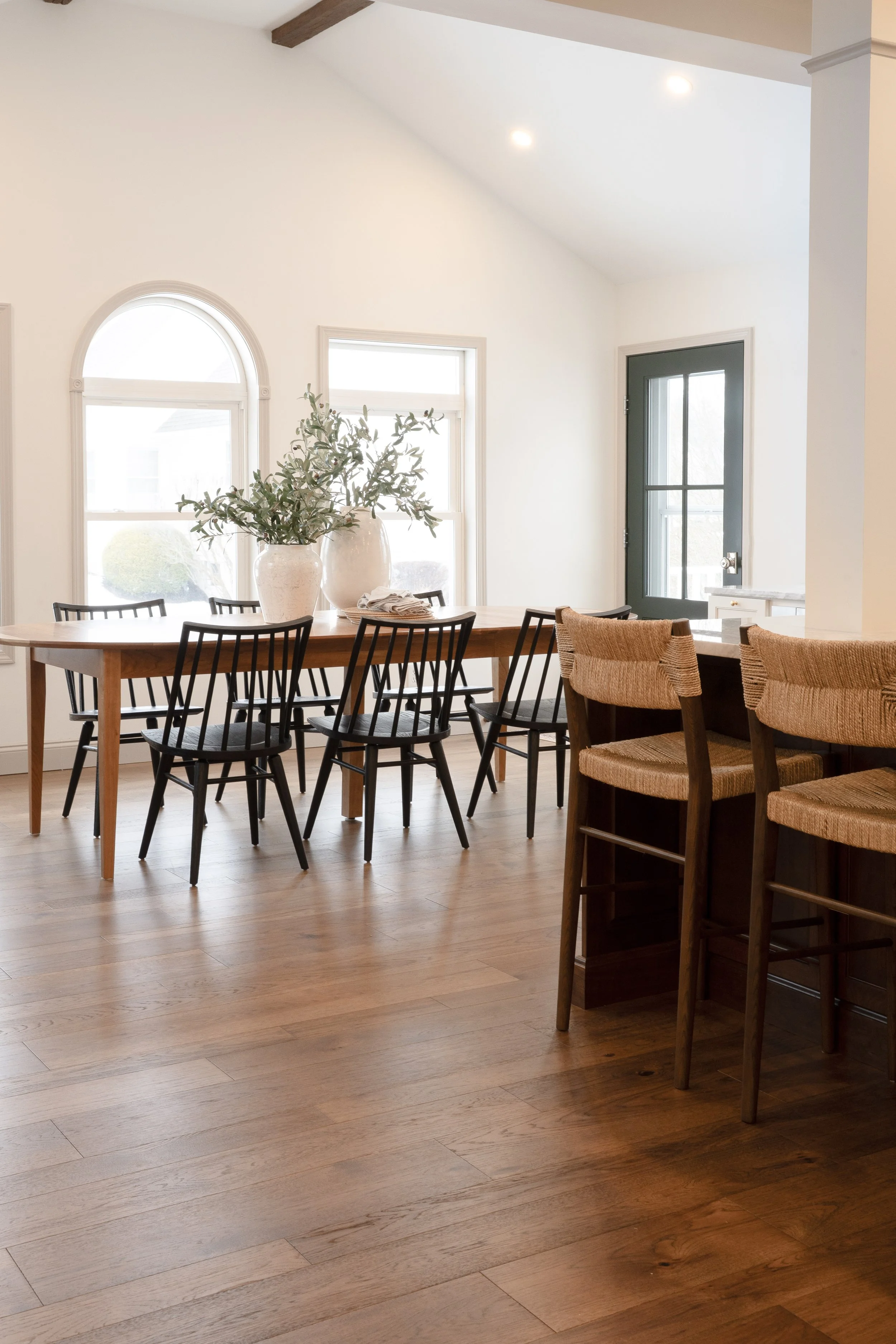
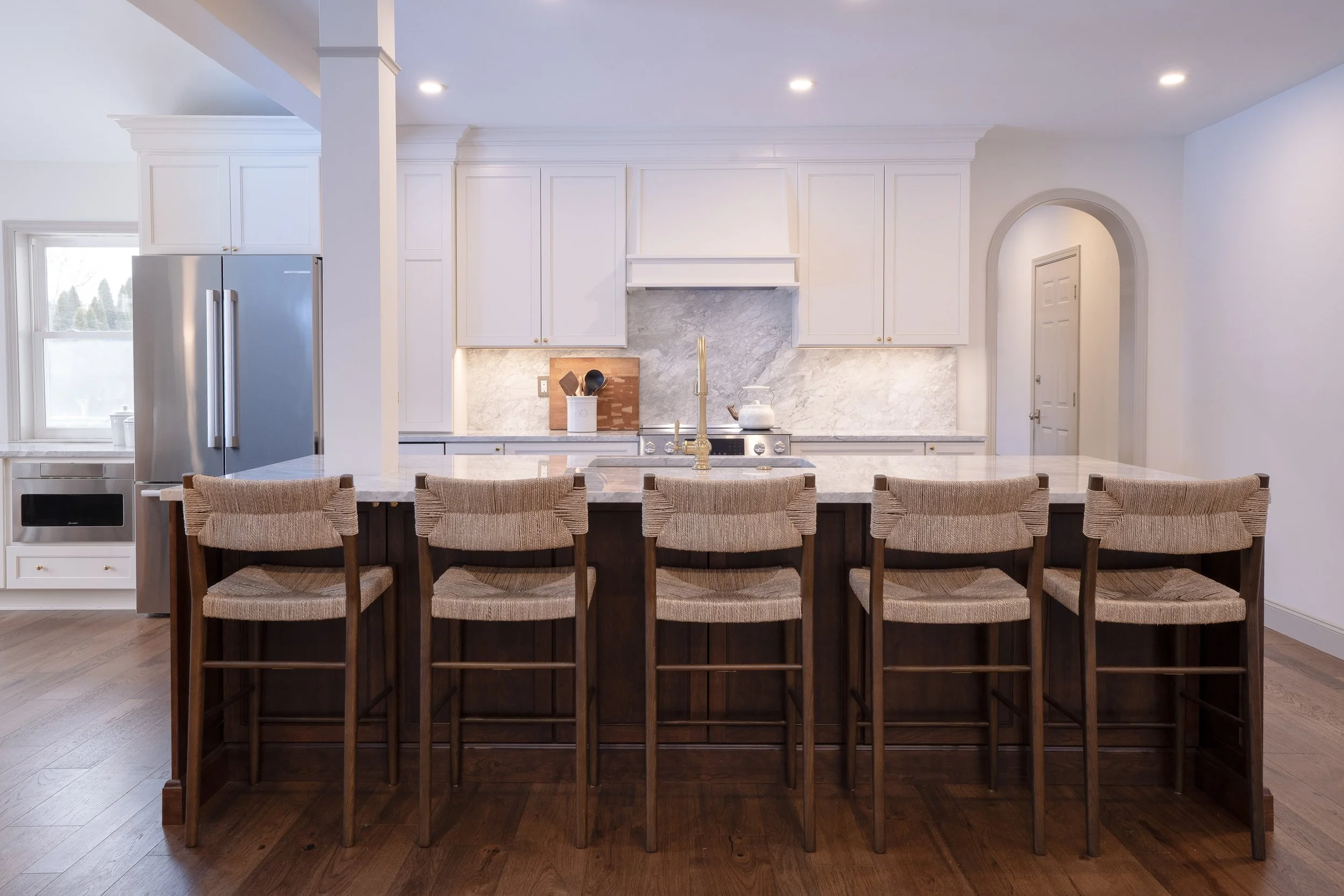
In The Madison, the first floor included a mix of carpet, tile, and hardwood. While none of the materials were beyond repair, the variation disrupted flow and cohesion. Because the renovation reworked how the first floor connected, maintaining multiple flooring types would have undermined the overall design.

Installing a single, continuous hardwood created unity - visually and functionally - allowing the new layout and materials to feel intentional rather than pieced together.

Replacement often makes sense when structural damage exists, when inconsistencies interrupt continuity, or when a renovation fundamentally alters the direction of the home.

The Bigger Picture

Hardwood decisions should never be made in isolation. Undertones, natural light, cabinetry, and overall design direction all influence whether restoration or replacement is the stronger move.

Sometimes preserving what exists maintains character. Other times, starting fresh creates clarity. The goal is not perfection - it’s alignment.

Whether restored or replaced, hardwood floors should support the home they belong to - quietly grounding everything that follows.

Always,

 
Next
Next

The Madison Library: Designed for Slowing Down